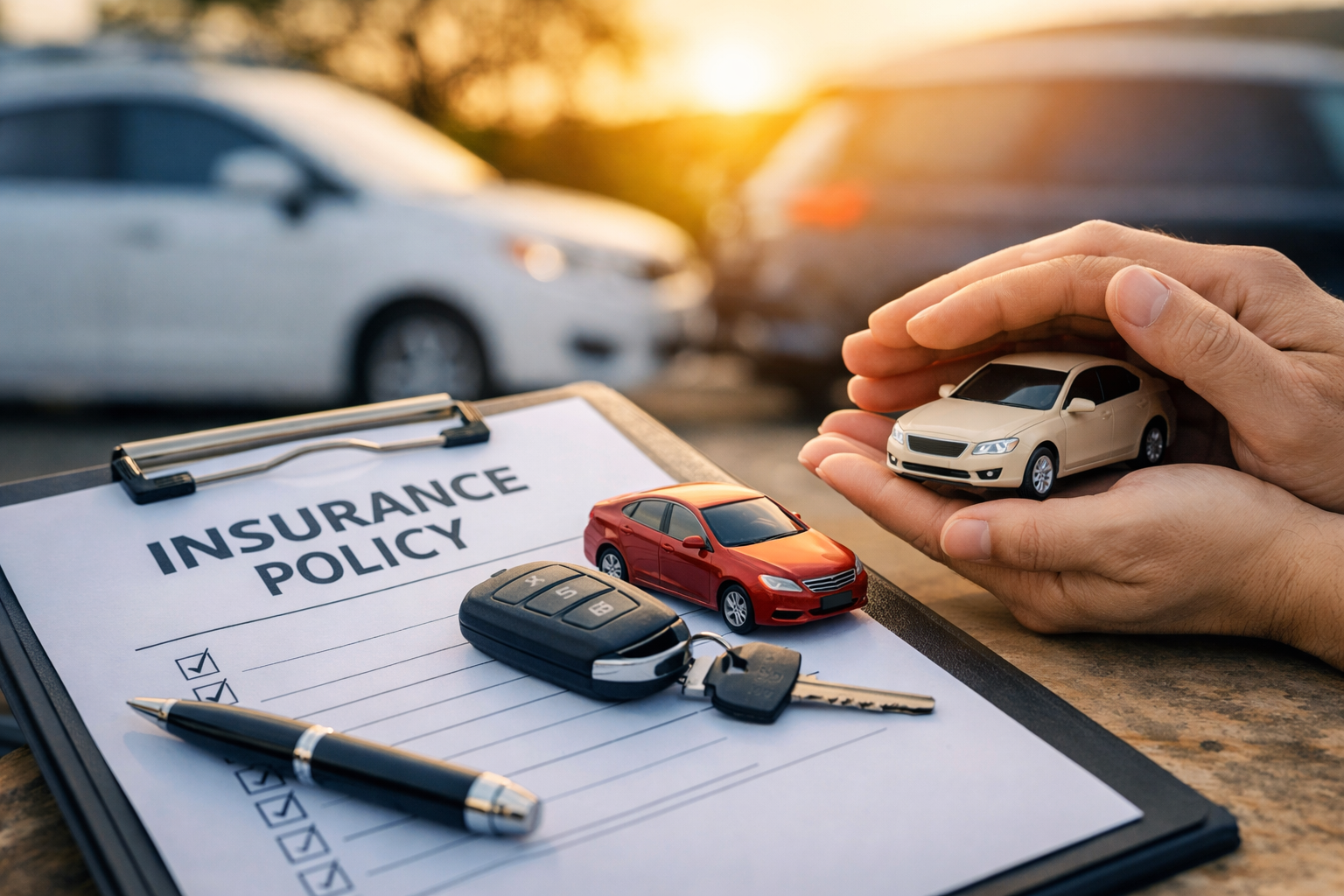
Many drivers hear the terms “full coverage” and “liability insurance” when shopping for auto insurance, but the difference between the two can be confusing. Understanding how these coverage types work can help you choose the right protection for your situation.
Auto insurance policies are made up of different coverage types that protect drivers in different ways. The two most commonly discussed are liability insurance and full coverage insurance.
If you’re trying to decide which option makes sense for your vehicle and financial situation, understanding the differences can help you make a more informed decision.
Liability Insurance
Liability insurance is the minimum coverage required in most states. It helps pay for damage or injuries you cause to other people if you are responsible for an accident.
Liability coverage typically includes two components:
• Bodily injury liability, which helps cover medical expenses for others involved in an accident you caused
• Property damage liability, which helps cover repairs to another person’s vehicle or property
While liability insurance satisfies legal requirements, it does not cover damage to your own vehicle.
Full Coverage Insurance
Full coverage insurance usually refers to a policy that includes liability insurance plus additional protection such as collision and comprehensive coverage.
Collision coverage helps pay to repair or replace your vehicle if it is damaged in an accident.
Comprehensive coverage protects your vehicle against events such as theft, vandalism, fire, hail, or falling objects.
Drivers with newer vehicles or vehicles that still have significant value often keep full coverage to protect against large repair costs.
Which Coverage Is Right for You?
The right coverage level depends on factors such as the value of your vehicle, your financial situation, and how much risk you are comfortable taking.
For example, drivers with older vehicles sometimes choose liability-only coverage, while drivers with newer vehicles often prefer the extra protection provided by full coverage.
Understanding your options can help ensure you have the right balance between protection and affordability.
If you’re unsure whether your current coverage is the right fit, reviewing your policy can sometimes reveal opportunities to improve coverage or reduce your premium.
Many drivers discover they can lower their insurance costs or improve their protection simply by comparing options.
Click here to request your free insurance quote review.
Frequently Asked Questions
Is full coverage required by law?
No. Most states only require liability insurance. Full coverage is optional but may be required by lenders if your vehicle is financed.
When should I drop full coverage?
Some drivers consider dropping full coverage when the cost of the coverage becomes higher than the value of the vehicle it protects.
Is liability insurance enough?
Liability insurance meets legal requirements, but it does not protect your own vehicle from damage.
Can switching coverage types reduce my premium?
In some cases drivers can lower their premium by adjusting coverage levels, deductibles, or qualifying for discounts.