Author: Insurance Quote Review Team

  • Can a Lawyer Help With a Traffic Ticket? (When It Makes Sense)

    Can a Lawyer Help With a Traffic Ticket? (When It Makes Sense)

    Many drivers assume they simply need to pay a traffic ticket when they receive one. However, depending on the situation, legal guidance may help reduce fines, protect your driving record, or help you understand your options before making a decision.

    Traffic tickets can sometimes lead to points on your license, higher insurance premiums, and additional penalties. Because laws vary by state and every situation is different, some drivers choose to explore their legal options before immediately paying a citation.

    👉 Many drivers first consider whether it makes sense to challenge a citation instead of paying it immediately, which is discussed here: Should You Fight a Traffic Ticket or Just Pay It

    Some individuals and families choose affordable legal protection plans that allow them to get guidance for everyday legal situations such as traffic tickets, contract reviews, and identity theft concerns.

    👉 In some situations, drivers also want to know if legal help could remove or reduce points on their driving record, explained in: Can a Lawyer Remove Points From Your License

    Before you pay a ticket or make a decision, it may help to understand your legal options first.

    👉 Get Affordable Legal Protection → Know Your Options Before It Costs You More

    However, drivers should also be aware that traffic tickets can sometimes increase insurance costs for several years depending on the violation and the insurer.

    👉 Get a Free Car Insurance Quote Review → See If a Ticket Is Raising Your Rate


    Don’t Wait Until It Costs You More

    A simple ticket today can lead to higher insurance rates, added points, and long-term consequences.

    👉 Traffic violations can affect insurance premiums for several years, which is explained here: Do Traffic Tickets Affect Your Insurance Rates

    Having access to legal guidance before making a decision can help you protect your record and avoid unnecessary costs.

    👉 Start Your Legal Protection Plan Today → Get Help Before It Costs You More


    Related Topics Drivers Are Reading

    Can Traffic Tickets Increase Your Car Insurance Premium?

    Should You Fight a Traffic Ticket or Just Pay It?

    Can a Lawyer Remove Points From Your License?

    What Happens If You Ignore a Traffic Ticket?

    Do Traffic Tickets Affect Your Insurance Rates?

  • Car Insurance Discounts Most Drivers Don’t Know About (How to Save More)

    Car Insurance Discounts Most Drivers Don’t Know About (How to Save More)

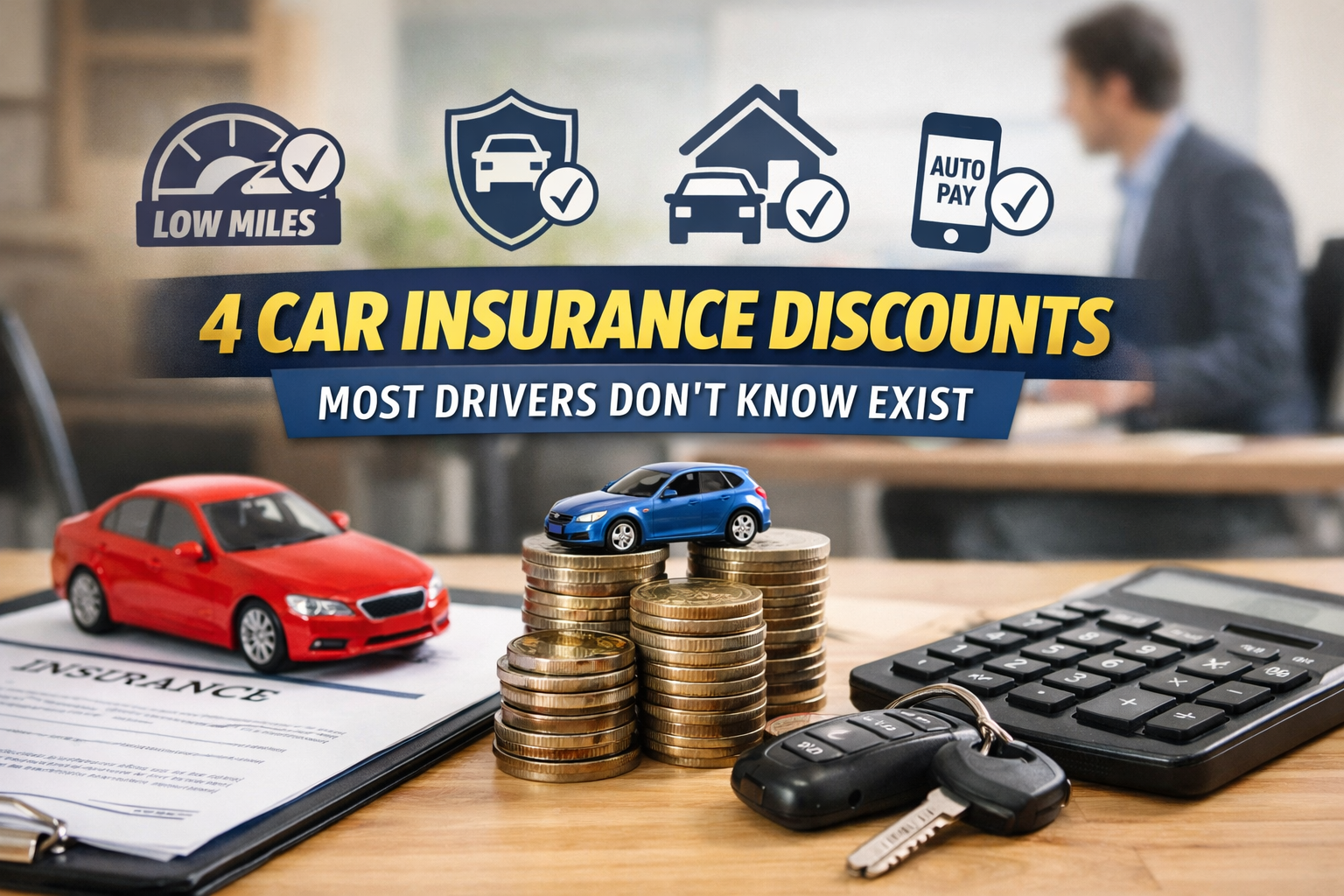
    Many drivers are unaware that insurance companies offer a variety of discounts that can significantly lower their premiums. While most people know about safe-driver discounts, there are several lesser-known discounts that could reduce your car insurance costs. Understanding these opportunities may help you save money without reducing your coverage.

    Quick Answer

    Many insurance companies offer discounts that drivers may not realize they qualify for. These can include bundling policies, low mileage discounts, vehicle safety features, and even payment method discounts. Asking your insurer about available discounts could help reduce your premium.

    1. Low Mileage Discounts

    If you drive fewer miles than the average driver, you may qualify for a low mileage discount. Insurance companies often view drivers who spend less time on the road as lower risk. People who work from home, carpool regularly, or only use their vehicles occasionally may be eligible for this type of discount.

    2. Vehicle Safety Feature Discounts

    Many modern vehicles come equipped with safety features such as anti-lock brakes, airbags, lane departure warnings, and automatic emergency braking systems. Insurance companies frequently offer discounts for vehicles that include these features because they reduce the likelihood or severity of accidents.

    3. Multi-Policy (Bundling) Discounts

    One of the most common ways to save on insurance is by bundling multiple policies with the same company. For example, drivers who purchase both auto insurance and homeowners or renters insurance from the same provider often qualify for a multi-policy discount. This can sometimes reduce premiums by a noticeable amount.

    4. Automatic Payment Discounts

    Some insurance companies offer discounts to customers who set up automatic payments or choose paperless billing. These programs reduce administrative costs for insurers, and the savings are sometimes passed on to policyholders in the form of lower premiums.

    Why Many Drivers Miss These Discounts

    Many drivers never ask their insurance company about available discounts. Insurance providers do not always automatically apply every discount unless the customer qualifies under specific criteria. Reviewing your policy periodically and asking about available discounts may help ensure you are not paying more than necessary for coverage.

    Get a Free Car Insurance Quote Review

    If you are unsure whether you are receiving all the discounts available to you, it may be worth reviewing your policy. Insurance rates and discounts can vary between companies, and comparing options could help you find a better rate. You can start by requesting a free insurance quote review here.

    Free insurance quote review here

  • Is Car Insurance Going Up in 2026? (What Drivers Are Seeing Now)

    Is Car Insurance Going Up in 2026? (What Drivers Are Seeing Now)

    Many drivers are noticing something frustrating in 2026, their car insurance premiums are increasing again. Even drivers with clean records are seeing higher renewal notices, leaving many wondering why rates keep rising and whether there is anything they can do to reduce their costs.

    Quick Answer

    Yes, car insurance rates are increasing in 2026 across much of the United States. Rising repair costs, inflation, higher accident claims, and more expensive vehicle technology are pushing insurance premiums higher for many drivers.

    Why Car Insurance Is Increasing in 2026

    Several major factors are driving higher car insurance premiums in 2026. Insurance companies are facing increased repair costs, more expensive vehicle technology, rising medical expenses from accidents, and a growing number of severe weather claims. When insurers pay out more in claims, they typically adjust premiums across the market to offset those losses.

    1. Vehicle Repair Costs Are Rising

    Vehicle repair costs have increased significantly over the past few years. Modern cars now include advanced technology like sensors, cameras, and driver-assistance systems. While these features improve safety, they also make repairs much more expensive after an accident. Even a minor collision can require replacing sensors or recalibrating cameras, which increases the cost of claims for insurance companies.

    2. Advanced Vehicle Technology Is More Expensive to Insure

    Many newer vehicles now come equipped with advanced driver-assistance features such as lane-keeping systems, automatic braking, blind-spot monitoring, and multiple cameras. While these systems improve safety, they also make vehicles more expensive to repair or replace after an accident. Insurance companies must factor these higher repair costs into their pricing, which contributes to rising premiums for many drivers.

    3. Severe Weather and Natural Disasters Are Increasing Claims

    Severe weather events such as hurricanes, hailstorms, flooding, and wildfires have increased insurance claim payouts in recent years. When large numbers of vehicles are damaged by weather-related events, insurance companies must cover those losses. To stay financially stable, insurers often raise premiums across multiple states, even for drivers who have never filed a claim.

    Medical and Accident Costs Continue to Increase

    Medical costs related to car accidents have also risen over the past several years. Hospital treatments, emergency services, and rehabilitation expenses can significantly increase the total cost of an insurance claim. When these medical payouts rise, insurance companies often adjust premiums to keep up with the growing cost of covering drivers.

    How Much Car Insurance Is Expected to Increase in 2026

    While the exact increase varies by state and insurance company, many drivers are seeing premium increases between 10% and 25% in recent renewal cycles. Factors such as location, driving history, type of vehicle, and claim history all influence how much a policy may increase. In some areas that have experienced severe weather events or higher accident rates, the increases may be even higher.

    What Drivers Can Do to Lower Their Car Insurance Costs

    Even though insurance rates are rising, there are still several ways drivers can potentially lower their premiums. Taking a few simple steps may help reduce costs and ensure you are not paying more than necessary for your coverage.

    1. Compare Quotes From Multiple Insurance Companies

    Insurance companies calculate risk differently, which means the price for the same coverage can vary significantly between providers. Comparing quotes from multiple companies can help drivers find better rates and avoid overpaying. Even switching insurers every few years can sometimes result in meaningful savings.

    2. Increase Your Deductible

    Choosing a higher deductible can often lower your monthly or annual insurance premium. A deductible is the amount you agree to pay out of pocket before your insurance coverage begins after a claim. Drivers who feel comfortable covering a larger deductible in the event of an accident may be able to reduce their overall insurance costs.

    3. Review Your Coverage Regularly

    Over time, your insurance needs may change. Reviewing your coverage periodically can help ensure you are not paying for protection you no longer need. For example, if you are driving an older vehicle with a lower value, you may consider adjusting or removing certain types of coverage to reduce your premium.

    Why Did My Car Insurance Go Up Even With a Clean Record?

    Many drivers are surprised when their insurance premiums increase even though they have not had any accidents or violations. Insurance rates are influenced by many factors beyond individual driving behavior, including regional accident trends, repair costs, weather-related claims, and inflation affecting the insurance industry as a whole. Because insurers calculate risk across large groups of drivers, even safe drivers can sometimes experience premium increases.

    Get a Free Car Insurance Quote Review

  • Signs You’re Overpaying for Car Insurance (And What to Do About It)

    Signs You’re Overpaying for Car Insurance (And What to Do About It)

    Many drivers assume their car insurance premium is normal, but the truth is many people pay more than they should. Insurance companies regularly adjust rates, and if you haven’t reviewed your policy in a while, you could be overpaying without realizing it.

    If your premium recently increased, you may also want to read:
    Why Did My Car Insurance Go Up in 2026? 5 Reasons Rates Are Increasing

    Understanding a few common warning signs can help you determine whether it might be time to review your coverage or compare your options.

    1. Your Premium Has Increased Without a Clear Reason

    Insurance rates can increase for many reasons, but if your premium has gone up even though your driving record hasn’t changed, it may be worth reviewing your policy.

    Sometimes drivers remain with the same insurer for years without checking whether better pricing or coverage options exist.

    2. You Haven’t Compared Quotes in Several Years

    Many drivers stay with the same insurance company for long periods of time. While loyalty can sometimes provide discounts, it can also mean missing out on better pricing that may be available elsewhere.

    Experts often recommend reviewing insurance quotes periodically to ensure your rate is still competitive.

    3. Your Vehicle Has Lost Significant Value

    You may also want to understand how much coverage most drivers actually need: How Much Car Insurance Do I Actually Need? A Simple Coverage Guide

    If your car is several years old and its value has dropped substantially, you may be paying for coverage that no longer makes financial sense.

    In some cases adjusting coverage levels can reduce premiums while still maintaining appropriate protection.

    4. You Are Not Receiving Available Discounts

    Insurance companies offer a wide variety of discounts such as safe driver discounts, multi-policy discounts, low mileage discounts, and more.

    If you haven’t reviewed your policy recently, you may be missing opportunities to reduce your premium.

    5. Your Life Situation Has Changed

    Major life changes such as moving, changing jobs, improving your credit score, or driving fewer miles can sometimes affect your insurance rates.

    Reviewing your policy after these changes may help you find savings.

    Free Insurance Quote Review

    If you’re wondering whether you’re paying too much for your current coverage, a quick policy review can help identify potential savings.

    Many drivers discover they can improve their coverage or lower their premium simply by reviewing their policy and comparing options.

    Click here to request your free insurance quote review.

    Frequently Asked Questions

    How do I know if I’m paying too much for car insurance?

    Comparing quotes periodically and reviewing your current coverage can help determine whether your premium is still competitive.

    How often should I review my insurance policy?

    Many experts recommend reviewing your auto insurance policy at least once per year or whenever major life changes occur.

    Can switching insurance companies lower my premium?

    In some cases switching insurers may provide lower premiums because different companies use different pricing models.

  • Full Coverage vs Liability Insurance (Which One Do You Really Need?)

    Full Coverage vs Liability Insurance (Which One Do You Really Need?)

    Many drivers hear the terms “full coverage” and “liability insurance” when shopping for auto insurance, but the difference between the two can be confusing. Understanding how these coverage types work can help you choose the right protection for your situation.

    If you’re also wondering how much coverage drivers usually carry, you may want to read:
    How Much Car Insurance Do I Actually Need? A Simple Coverage Guide

    Auto insurance policies are made up of different coverage types that protect drivers in different ways. The two most commonly discussed are liability insurance and full coverage insurance.

    If you’re trying to decide which option makes sense for your vehicle and financial situation, understanding the differences can help you make a more informed decision.

    Liability Insurance

    Liability insurance is the minimum coverage required in most states. It helps pay for damage or injuries you cause to other people if you are responsible for an accident.

    Liability coverage typically includes two components:

    • Bodily injury liability, which helps cover medical expenses for others involved in an accident you caused
    • Property damage liability, which helps cover repairs to another person’s vehicle or property

    While liability insurance satisfies legal requirements, it does not cover damage to your own vehicle.

    Full Coverage Insurance

    Full coverage insurance usually refers to a policy that includes liability insurance plus additional protection such as collision and comprehensive coverage.

    Collision coverage helps pay to repair or replace your vehicle if it is damaged in an accident.

    Comprehensive coverage protects your vehicle against events such as theft, vandalism, fire, hail, or falling objects.

    Drivers with newer vehicles or vehicles that still have significant value often keep full coverage to protect against large repair costs.

    Which Coverage Is Right for You?

    If your insurance premium recently increased, you may also want to read:
    Why Did My Car Insurance Go Up in 2026? 7 Reasons Rates Are Increasing

    The right coverage level depends on factors such as the value of your vehicle, your financial situation, and how much risk you are comfortable taking.

    For example, drivers with older vehicles sometimes choose liability-only coverage, while drivers with newer vehicles often prefer the extra protection provided by full coverage.

    Understanding your options can help ensure you have the right balance between protection and affordability.

    If you’re unsure whether your current coverage is the right fit, reviewing your policy can sometimes reveal opportunities to improve coverage or reduce your premium.

    Many drivers discover they can lower their insurance costs or improve their protection simply by comparing options.

    Click here to request your free insurance quote review.

    Frequently Asked Questions

    Is full coverage required by law?

    No. Most states only require liability insurance. Full coverage is optional but may be required by lenders if your vehicle is financed.

    When should I drop full coverage?

    Some drivers consider dropping full coverage when the cost of the coverage becomes higher than the value of the vehicle it protects.

    Is liability insurance enough?

    Liability insurance meets legal requirements, but it does not protect your own vehicle from damage.

    Can switching coverage types reduce my premium?

    In some cases drivers can lower their premium by adjusting coverage levels, deductibles, or qualifying for discounts.

    Free Insurance Quote Review

  • How Much Car Insurance Do You Really Need? (Simple Coverage Guide)

    How Much Car Insurance Do You Really Need? (Simple Coverage Guide)

    Many drivers carry auto insurance but aren’t completely sure how much coverage they actually need. Some people worry they may be underinsured, while others fear they might be paying for coverage they don’t truly need.

    If your premium recently increased, you may also want to read:
    Why Did My Car Insurance Go Up in 2026? 5 Reasons Rates Are Increasing.

    Understanding how car insurance coverage works can help you make better decisions about protecting yourself financially after an accident.

    The right amount of coverage depends on several factors including your vehicle value, your financial situation, and the risks you want to protect against.

    Below is a simple breakdown to help drivers understand the most common types of auto insurance coverage and how much protection may be appropriate.

    Minimum Liability Coverage

    Every state requires drivers to carry a minimum level of liability insurance. Liability coverage helps pay for injuries or property damage you cause to others in an accident.

    While minimum coverage may satisfy legal requirements, it may not always provide enough protection if a serious accident occurs.

    Many drivers choose higher limits to better protect their finances.

    Collision Coverage

    Collision insurance helps pay to repair or replace your vehicle if it is damaged in an accident regardless of who caused the crash.

    Drivers with newer or more valuable vehicles often keep collision coverage because repair costs can be very expensive.

    Comprehensive Coverage

    Comprehensive coverage protects your vehicle against events such as theft, vandalism, fire, hail, or falling objects.

    This coverage can be valuable for drivers who want protection against unexpected damage outside of normal accidents.

    Medical Payments or Personal Injury Protection

    Some policies include medical payment coverage or personal injury protection which can help cover medical expenses for you or your passengers after an accident.

    Coverage options vary by state.

    Uninsured and Underinsured Motorist Protection

    Unfortunately, not every driver on the road carries adequate insurance. Uninsured and underinsured motorist coverage helps protect you financially if another driver causes an accident but does not have enough coverage.

    What Coverage Do Most Experts Recommend?

    Many financial experts recommend liability coverage levels higher than state minimums because serious accidents can create significant financial responsibility.

    Drivers also frequently keep collision and comprehensive coverage if their vehicle still holds significant value.

    Free Insurance Quote Review

    If you’re unsure whether your current policy provides the right balance between protection and affordability, a quick policy review may help clarify your options.

    Many drivers discover they may be able to improve their coverage or reduce their premium simply by reviewing their policy.

    Click here to request your free insurance quote review.

  • Why Did My Car Insurance Go Up in 2026? (5 Reasons Rates Are Rising)

    Why Did My Car Insurance Go Up in 2026? (5 Reasons Rates Are Rising)

    Car insurance rates have increased for many drivers in recent years, and it can be frustrating to see your premium go up even if you haven’t had an accident. Insurance companies regularly adjust pricing based on many different factors, and sometimes those changes affect drivers even when their driving record has stayed the same.

    If your auto insurance premium recently increased, you’re not alone. Understanding why rates go up can help you decide whether it’s time to review your policy or compare other options.

    1. Rising Vehicle Repair Costs

    Modern vehicles are more expensive to repair than ever before. Many cars now include advanced technology such as sensors, cameras, and driver-assistance systems. While these features improve safety, they also increase repair costs after accidents.

    When repair costs rise across the industry, insurance companies often increase premiums to offset those higher expenses.

    2. More Accidents in Your Area

    Insurance companies look at accident statistics within your local area. If the number of accidents increases in your city or region, insurance providers may raise rates for drivers in that area.

    Even if you personally have a clean driving record, changes in regional accident trends can still impact your premium.

    3. Changes in Your Credit Profile

    In many states, insurance companies consider credit-based insurance scores when calculating premiums. If your credit score has changed, it may influence the rate your insurer offers.

    Improving your credit profile over time can sometimes help lower your insurance premium.

    4. Traffic Violations or Claims

    Tickets, accidents, or insurance claims can increase your premium. Even minor traffic violations can affect your insurance rate for several years depending on the insurance company.

    Maintaining a clean driving record is one of the best ways to keep your insurance costs lower over time.

    5. Industry-Wide Price Adjustments

    Sometimes insurance companies raise prices simply because of industry-wide changes. Inflation, rising medical costs, and higher vehicle replacement values can all contribute to insurance rate increases across the market.

    When these changes happen, drivers may see premiums rise even if their personal risk profile has not changed.


    What You Can Do If Your Insurance Premium Increased

    If your car insurance premium recently increased, there are a few steps you can take to potentially reduce your costs:

    • Compare quotes from different insurance providers
    • Ask about discounts you may qualify for
    • Review your coverage levels
    • Increase your deductible if appropriate
    • Consider bundling policies for additional savings


    Free Insurance Quote Review

    If you’re wondering whether you’re paying too much for your current coverage, a quick policy review may help identify potential savings.

    Many drivers discover they can reduce their insurance costs simply by reviewing their options and comparing policies.

    A free insurance quote review may reveal lower premiums or better coverage options available today.

    Click here to request your free insurance quote review.

    Frequently Asked Questions

    Why did car insurance increase in 2026?

    Auto insurance rates have increased due to several factors including rising repair costs, more expensive vehicle technology, increased accident claims, and inflation affecting the insurance industry. Insurance companies adjust premiums periodically to reflect these higher costs.

    How can I lower my car insurance premium?

    Drivers may be able to lower their premium by reviewing their coverage, increasing deductibles, qualifying for discounts, maintaining a good driving record, and comparing insurance providers periodically to find competitive rates.

    How often should I compare auto insurance quotes?

    Many financial experts recommend reviewing and comparing insurance quotes at least once per year or whenever major life changes occur such as moving, purchasing a new vehicle, or adding drivers to your policy.

    Is full coverage car insurance worth it?

    Full coverage can provide additional protection for your vehicle, especially if it has significant value. However, the right coverage level depends on your vehicle, financial situation, and personal risk tolerance.

    Can switching insurance companies save money?

    In some cases drivers may find lower premiums by switching insurers because companies use different risk models and pricing strategies.

    Click here to request your free insurance quote review.
  • How Much Life Insurance Do You Really Need? (Simple Guide)

    How Much Life Insurance Do I Actually Need?

    Life insurance is one of the most important financial protections a family can have. Yet many people have no idea how much coverage they actually need. Some people buy too little coverage, while others buy policies that are far larger than necessary. Understanding the purpose of life insurance can help you make a smarter decision.

    Why Life Insurance Matters

    The purpose of life insurance is simple: it replaces income and protects the people who depend on you financially. If something were to happen to you, life insurance helps your family continue paying the mortgage, covering everyday expenses, and planning for the future.

    Without coverage, many families face serious financial hardship after losing a primary income earner.

    The Basic Rule Many Experts Use

    A common guideline is to carry life insurance equal to 10 to 15 times your annual income. For example, if someone earns $50,000 per year, they might consider a policy between $500,000 and $750,000.

    However, every family situation is different. Some households need more protection depending on their financial responsibilities.

    Factors That Affect How Much Coverage You Need

    Several factors should be considered when choosing a policy:

    • Current income
    • Mortgage balance
    • Debts such as car loans or credit cards
    • Future education costs for children
    • Ongoing living expenses for your family

    When these factors are added together, many families realize they need more coverage than they originally thought.

    Term Life vs Permanent Life Insurance

    Term life insurance is often the most affordable option and provides coverage for a specific period such as 10, 20, or 30 years.

    Permanent life insurance lasts your entire life and may include additional features such as cash value accumulation.

    The right choice depends on your financial goals and budget.

    Final Thoughts

    Choosing the right life insurance policy doesn’t have to be complicated. The most important step is reviewing your current financial situation and determining what level of protection would help your family maintain stability if the unexpected happened.

    If you’re unsure whether your current coverage is enough, a quick protection review can help you see your options.

    Want to see if you’re properly protected?

    insurancequotereview.com

Translate »