Author: Insurance Quote Review Team

  • Minimum Car Insurance Requirements in Tennessee (What You Need to Stay Legal)

    Minimum Car Insurance Requirements in Tennessee (What You Need to Stay Legal)

    This quick breakdown explains how car insurance costs work in Tennessee and what factors affect your monthly rate.

    Quick Answer:
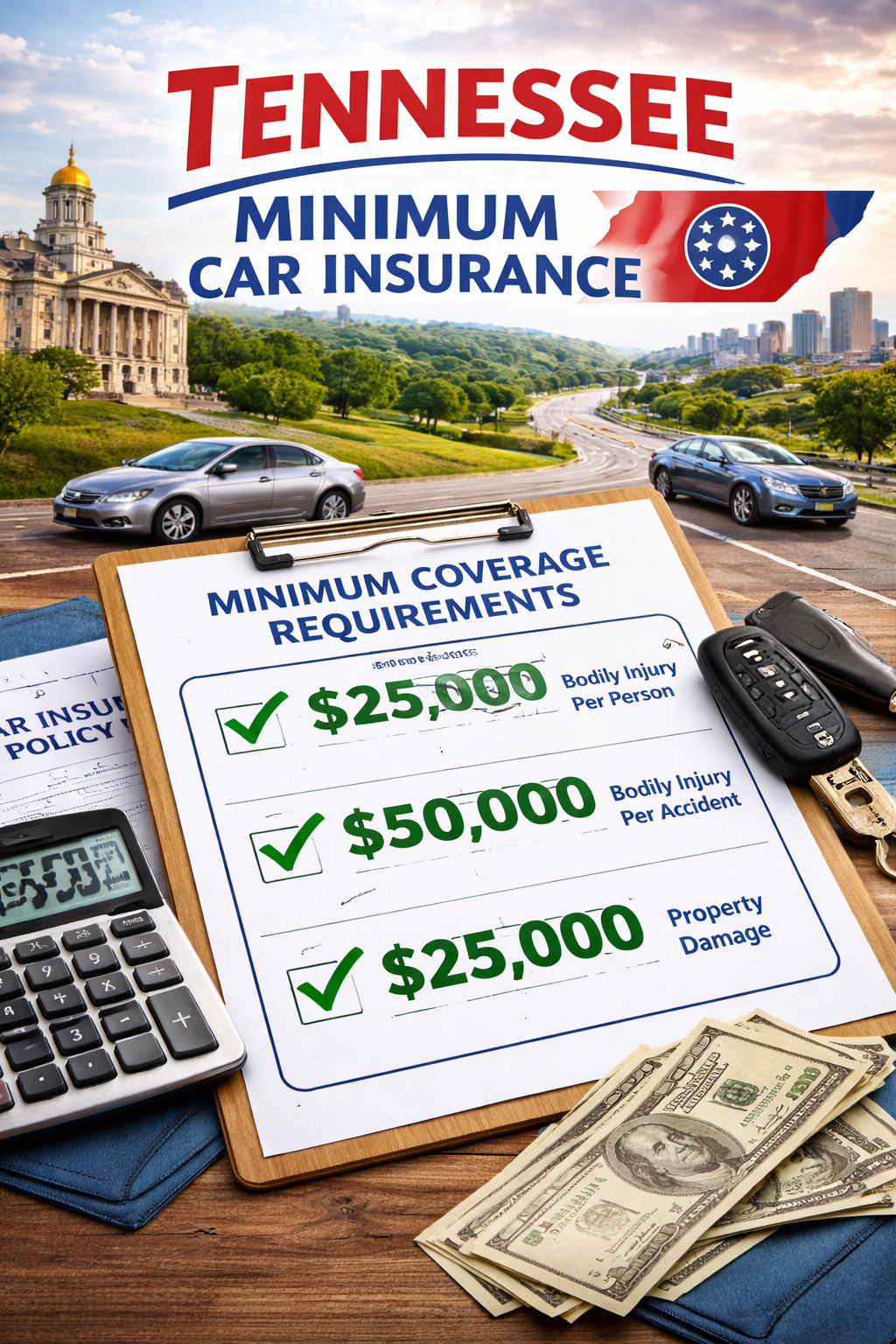
    Minimum car insurance in Tennessee requires $25,000 per person, $50,000 per accident for bodily injury, and $25,000 for property damage. While this meets legal requirements, it may not fully protect you in a serious accident.


    Most drivers in Tennessee carry the minimum required car insurance to stay legal—but what many don’t realize is that minimum coverage may not be enough to fully protect them in a serious accident.

    Tennessee requires liability coverage of $25,000 per person, $50,000 per accident, and $25,000 for property damage. These limits meet state requirements, but they are designed to satisfy the law—not necessarily to cover real-world costs.

    In many cases, even a moderate accident can exceed these limits quickly, leaving drivers responsible for the remaining balance out of pocket.

    Minimum liability coverage only pays for damage or injuries you cause to others. It does not cover your own vehicle or your own medical expenses. That means if you’re involved in an accident, your financial exposure could be higher than expected.

    Because of this, many drivers in Tennessee choose to carry higher coverage limits or additional protection depending on their situation.

    👉 Get a Free Car Insurance Quote Review and See If Your Coverage Is Enough


    What Most Tennessee Drivers Don’t Realize

    Minimum coverage is often misunderstood. Many drivers assume it fully protects them, but it’s really just the baseline required to legally drive.

    The reality is that accidents don’t follow minimum limits. Costs can exceed coverage quickly, especially when multiple vehicles or injuries are involved. When that happens, the remaining balance doesn’t disappear—it becomes your responsibility.

    In situations like this, some drivers also look into having access to legal guidance when unexpected issues come up—especially when dealing with liability, claims, or disputes after an accident.

    👉 Learn how affordable legal protection for drivers works and what it can help with

    That’s why reviewing your coverage periodically can help you avoid unexpected financial risk and make sure your policy actually fits your needs.
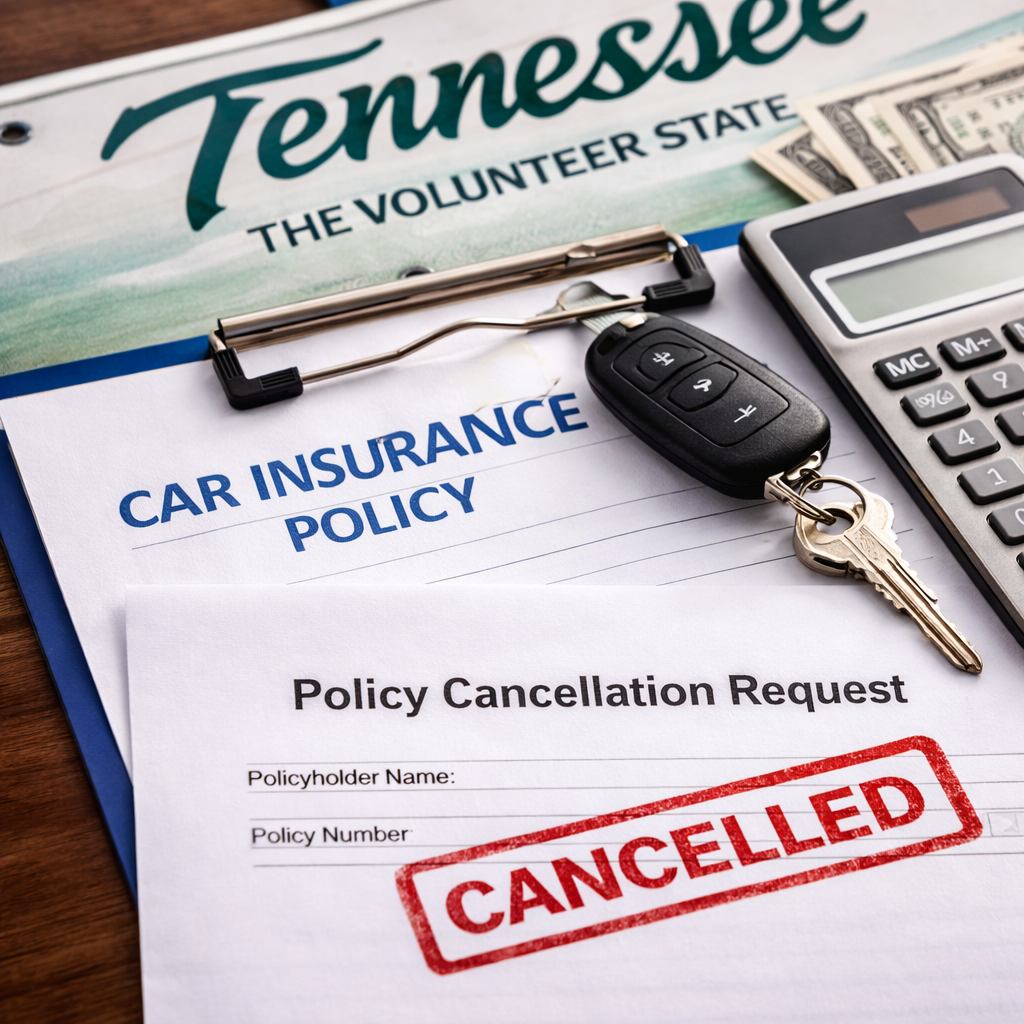
  • When Should You Switch Car Insurance in Tennessee? (Signs You’re Overpaying)

    When Should You Switch Car Insurance in Tennessee? (Signs You’re Overpaying)

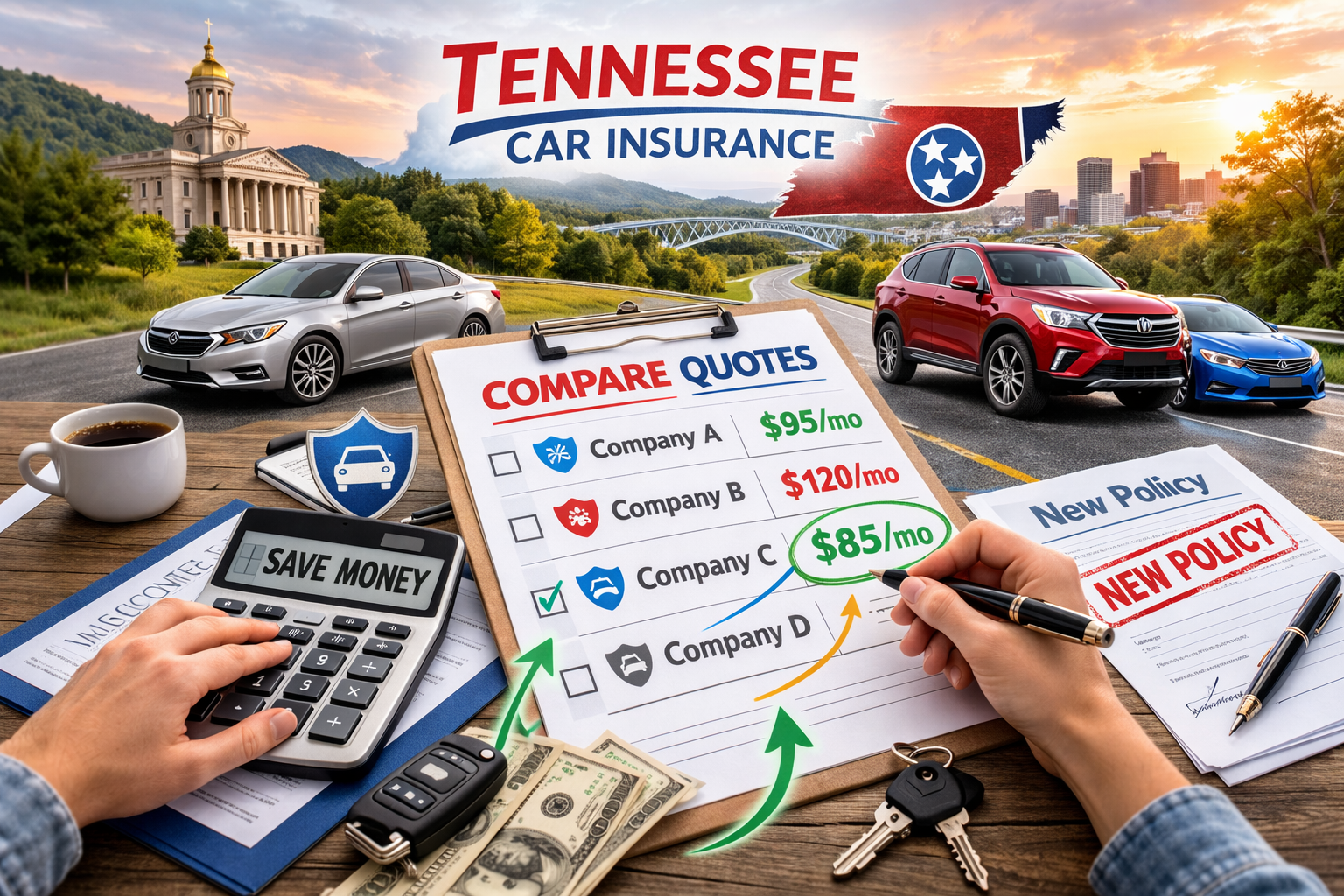
    Tennessee drivers may consider switching car insurance companies when their premiums increase significantly, when their circumstances change, or when they discover better coverage options from another insurer.

    Insurance companies update pricing frequently, and rates may vary between providers depending on factors such as driving history, location within Tennessee, credit profile, and vehicle type. Comparing policies periodically can help drivers identify opportunities for lower premiums or improved coverage.

    Life events such as moving, purchasing a new vehicle, improving credit, or adding a driver to the household may also affect insurance pricing. These changes sometimes make it possible to qualify for new discounts or better policy options.

    Drivers who are thinking about switching insurance companies should make sure their new policy is active before cancelling their current coverage to avoid any lapse in protection.

    Get a Free Car Insurance Quote Review

    What Most Tennessee Drivers Don’t Realize:

    Many drivers assume they’re fully covered until they actually need to file a claim. In reality, coverage gaps are common, especially when policies haven’t been reviewed in a while. Even small differences in coverage can lead to large out-of-pocket costs after an accident.

    This is why many drivers in Tennessee choose to review their current policy and compare options to make sure they’re not overpaying or undercovered.

  • What Happens If You Cancel Car Insurance Early? (Fees, Refunds, and Risks)

    What Happens If You Cancel Car Insurance Early? (Fees, Refunds, and Risks)

    Cancelling a car insurance policy before the end of the policy term is possible, but drivers should understand how it may affect refunds, fees, and future coverage. Some insurance companies allow policyholders to cancel at any time, while others may charge a small cancellation fee depending on the policy terms.

    If a driver cancels coverage early, the insurer may issue a prorated refund for the unused portion of the premium. However, certain policies may include administrative fees or short-rate penalties that slightly reduce the refund amount. Drivers should review their policy documents to understand the cancellation rules before making changes.

    It is also important to avoid gaps in coverage. Even a short lapse in insurance coverage may lead to higher premiums later or potential legal issues depending on state requirements.

    Drivers who are considering switching insurers or adjusting their coverage may benefit from comparing quotes first to ensure continuous protection.

    Get a Free Car Insurance Quote Review

  • How Your Credit Score Affects Car Insurance in Tennessee (What It Can Cost You)

    How Your Credit Score Affects Car Insurance in Tennessee (What It Can Cost You)

    Quick Answer:
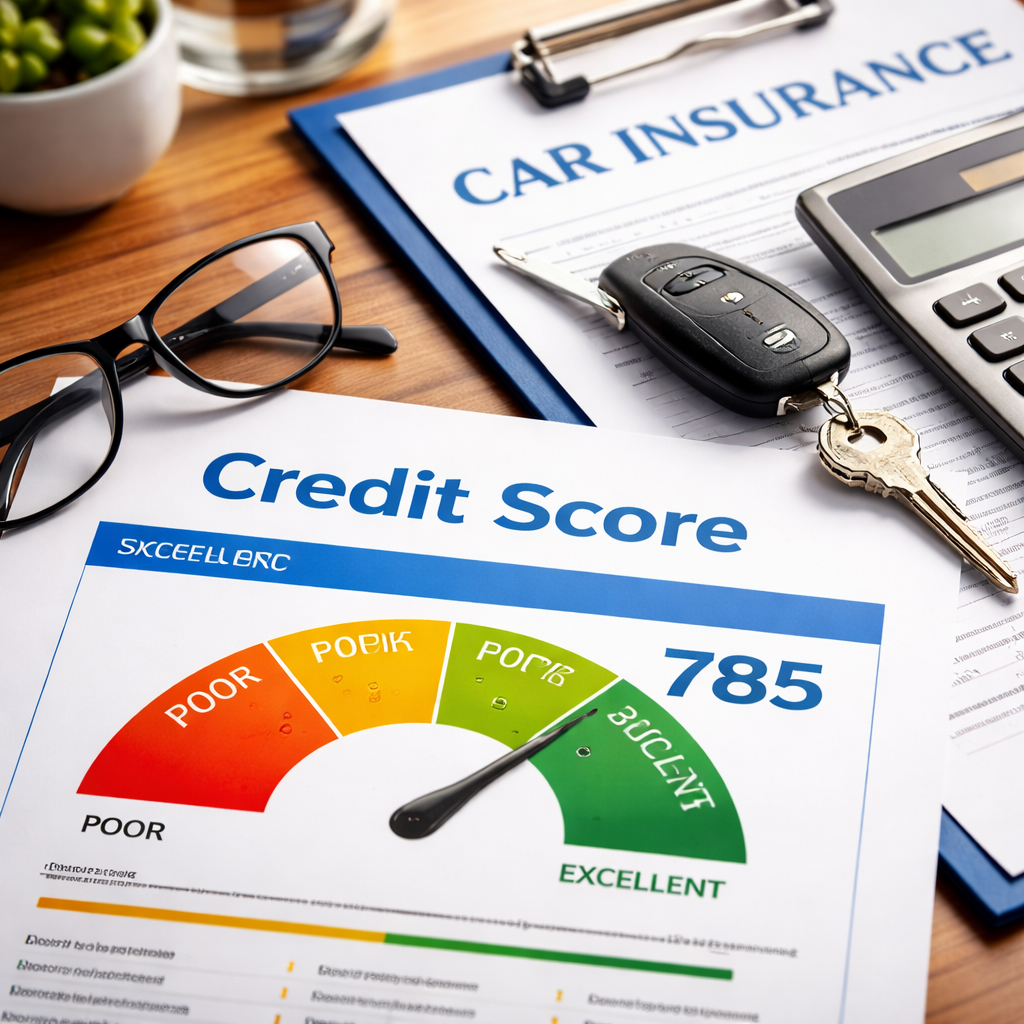
    In Tennessee, insurance companies may use credit-based insurance scores when calculating car insurance premiums. Drivers with stronger credit often qualify for lower rates, while lower credit may lead to higher premiums. Credit is only one factor, but it can still have a noticeable impact on what you pay.

    Many drivers in Tennessee are surprised to learn that their credit score can influence how much they pay for car insurance. While it may not seem directly related to driving, insurers use financial patterns as part of their overall risk assessment when determining premiums.

    While credit score is only one of several factors used to determine insurance rates in Tennessee, it can still influence the price drivers pay for coverage. Other factors such as driving history, vehicle type, location, and previous claims also play an important role in determining premiums.

    For this reason, many Tennessee drivers review both their credit and insurance policies periodically to better understand how financial factors may affect their coverage costs. Maintaining good credit habits and comparing insurance quotes may help drivers qualify for more competitive rates.

    Drivers who want to see how their credit profile may affect their insurance pricing in Tennessee can review available policies and compare coverage options.

    👉 Get a Free Car Insurance Quote Review → See How Your Credit Impacts Your Rate

    What Most Tennessee Drivers Don’t Realize

    Many drivers assume they’re fully covered until they actually need to file a claim. In reality, coverage gaps are common — especially when policies haven’t been reviewed in a while.

    Even small differences in coverage can lead to large out-of-pocket costs after an accident.

    This is why many drivers in Tennessee choose to review their current policy and compare options to make sure they’re not overpaying or undercovered.

    Real Example:

    For example, a Tennessee driver with a lower credit score may pay significantly higher premiums than someone with a stronger credit profile, even if both drivers have clean records. After improving their credit score, some drivers are able to qualify for lower monthly rates with similar coverage.

  • Cheapest Cars to Insure in Tennessee (2026) — Before You Overpay

    Cheapest Cars to Insure in Tennessee (2026) — Before You Overpay

    The cheapest cars to insure in Tennessee are typically compact sedans and small SUVs with strong safety ratings, lower repair costs, and lower theft risk.

    Vehicles with lower horsepower and high reliability tend to qualify for lower insurance premiums.

    Some vehicles are cheaper to insure in Tennessee because they have lower repair costs, strong safety ratings, and lower theft rates. Insurance companies evaluate these factors because they directly affect how expensive claims may be after an accident.

    Cars like compact sedans and family SUVs often cost less to insure compared to high-performance vehicles or luxury models. Vehicles with lower horsepower, strong crash-test ratings, and advanced safety features typically receive lower risk scores from insurers.

    On the other hand, sports cars, luxury vehicles, and models with high repair costs tend to carry higher insurance premiums due to the increased financial risk.

    Because of this, many Tennessee drivers consider insurance costs before purchasing a vehicle. Choosing a car that is cheaper to insure can lead to long-term savings over time.

    👉 Get a Free Car Insurance Quote Review → See Which Vehicles Cost Less to Insure in Tennessee

    What Most Tennessee Drivers Don’t Realize:

    Many drivers focus only on the purchase price of a vehicle, but insurance costs can significantly impact the total cost of ownership.

    Two similar vehicles can have very different insurance rates, which is why checking insurance costs before buying can help avoid higher monthly expenses.

  • What Does Full Coverage Insurance Cover in Tennessee? (And What It Doesn’t)

    What Does Full Coverage Insurance Cover in Tennessee? (And What It Doesn’t)

    Quick Answer:

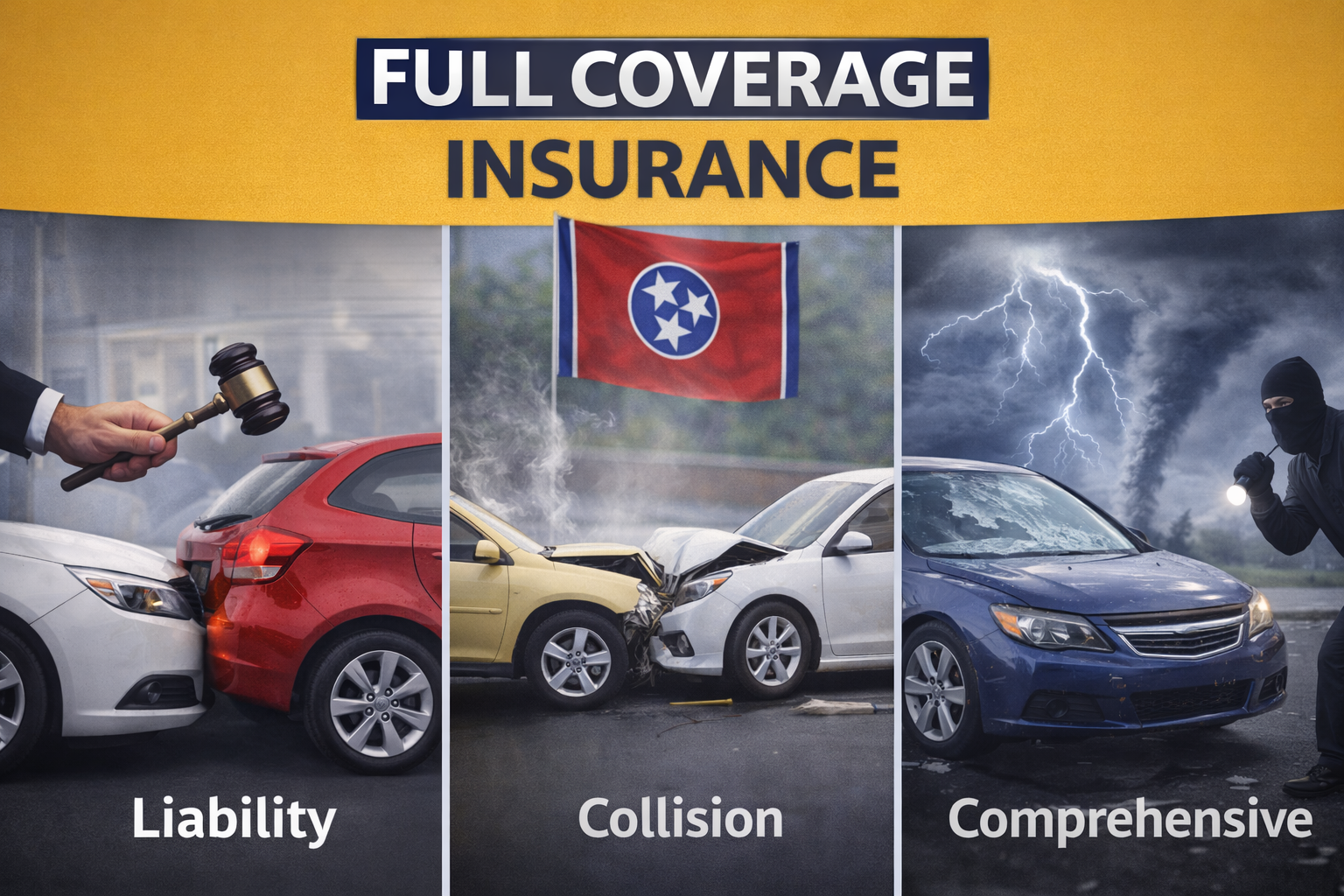
    Full coverage car insurance in Tennessee typically includes liability, collision, and comprehensive coverage.

    However, it doesn’t cover everything, and your actual protection depends on your policy limits and deductible.

    Quick Answer:

    Full coverage car insurance in Tennessee typically includes liability, collision, and comprehensive coverage.

    However, it doesn’t cover everything, and your actual protection depends on your policy limits and deductible.

    Full coverage car insurance in Tennessee generally includes three main types of protection: liability, collision, and comprehensive coverage. Liability pays for injuries or damage you cause to others, while collision covers damage to your own vehicle after an accident. Comprehensive coverage protects against non-collision events such as theft, weather damage, and vandalism.

    Many drivers choose full coverage to help protect their vehicle and finances from unexpected situations. Repair costs for modern vehicles can be expensive, and accidents or weather-related damage can quickly lead to large out-of-pocket expenses without proper coverage.

    However, full coverage is not a specific policy — it is a combination of coverages. The level of protection you have depends on your selected limits, deductible, and any additional options included in your policy.

    Because of this, drivers often review their coverage periodically to make sure it still fits their needs and financial situation.

    👉 Get a Free Car Insurance Quote Review → Make Sure Your Coverage Actually Protects You

    What Most Tennessee Drivers Don’t Realize:

    Many drivers assume “full coverage” means everything is covered, but that’s not always the case. Coverage limits, deductibles, and exclusions can all impact how much protection you actually have.

    Even small gaps in coverage can lead to significant out-of-pocket costs after an accident. That’s why many drivers review their policy and compare options to make sure they’re fully protected.

  • How Often Should You Compare Car Insurance in Tennessee? (You Might Be Overpaying)

    How Often Should You Compare Car Insurance in Tennessee? (You Might Be Overpaying)

    Drivers in Tennessee should compare car insurance quotes at least once per year, or anytime a major life change occurs.

    Since insurance rates change frequently, comparing options regularly can help you find lower premiums and better coverage.

    Insurance companies regularly adjust their rates based on risk, claims data, and market conditions. Because of this, the policy you have today may not be the most competitive option a year from now.

    Many Tennessee drivers review their coverage at renewal or after major life changes such as buying a new vehicle, moving, improving their credit, or adding a driver to their policy. These changes can affect how insurers calculate your risk and may qualify you for better pricing or discounts.

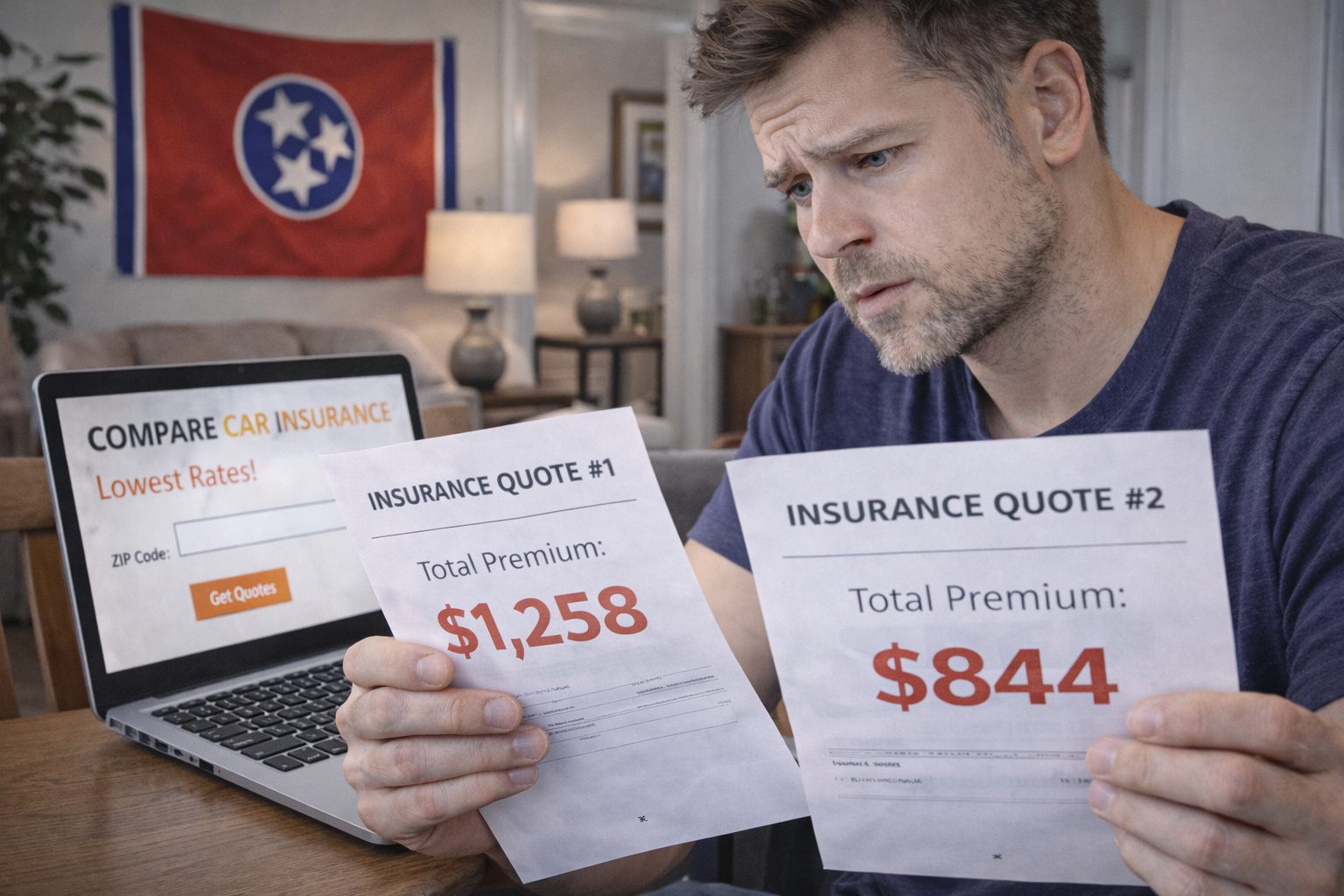
    Even if nothing has changed, comparing quotes annually can help ensure you’re not overpaying. Different insurance companies use different pricing models, which means rates can vary significantly for the same level of coverage.

    👉 Get a Free Car Insurance Quote Review → See If You Could Be Paying Less Today

    What Most Tennessee Drivers Don’t Realize:

    Many drivers stay with the same insurance company for years, assuming they’re getting the best rate. In reality, loyalty doesn’t always lead to lower premiums.

    Insurance companies frequently adjust pricing, and new discounts or better options may become available over time. That’s why regularly reviewing your policy can help you avoid paying more than necessary.

  • Why Is Car Insurance So Expensive in Tennessee? (What’s Driving Your Rate Up)

    Why Is Car Insurance So Expensive in Tennessee? (What’s Driving Your Rate Up)

    Quick Answer:

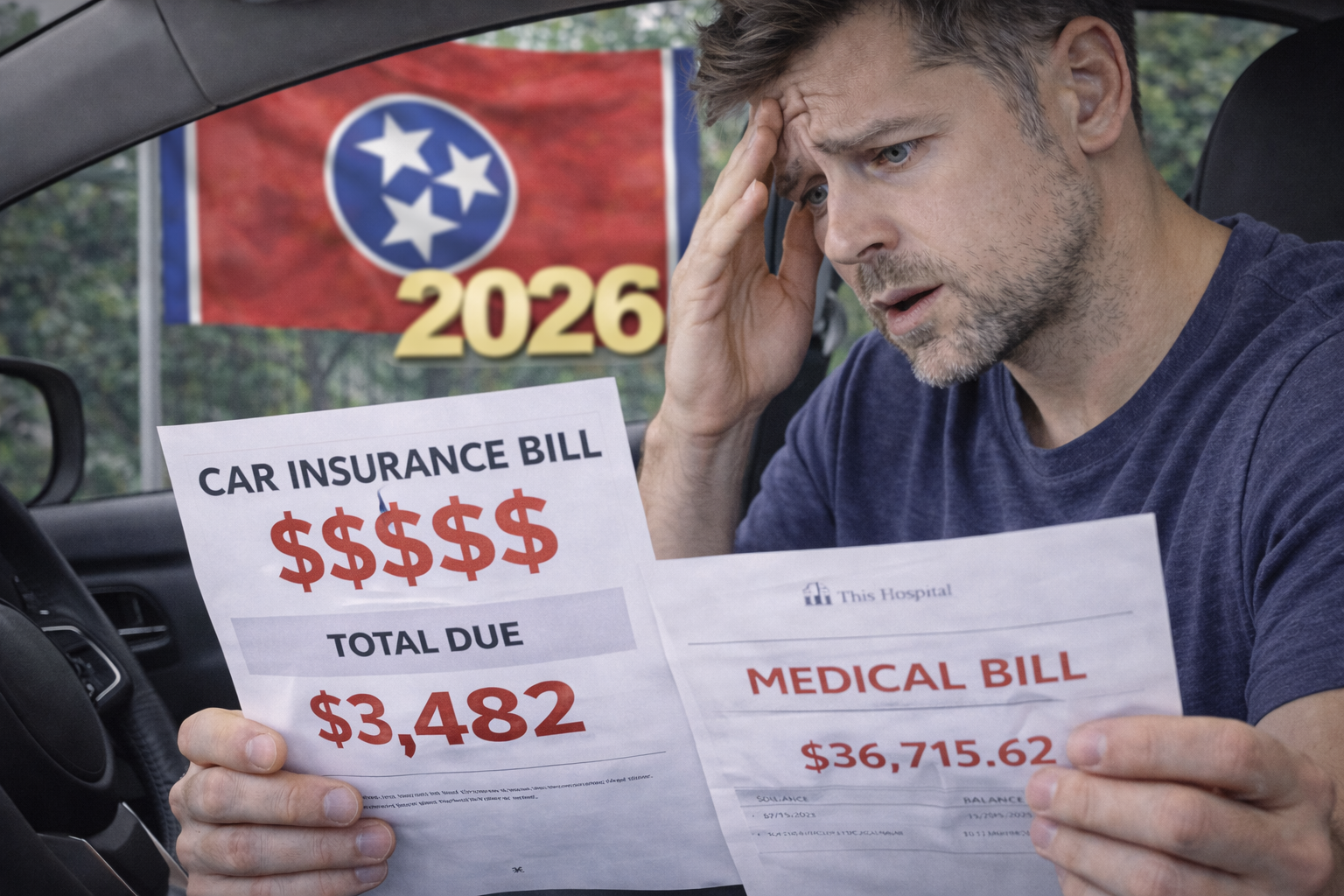
    Car insurance in Tennessee is more expensive in 2026 due to rising repair costs, higher medical expenses, increased accident claims, and inflation.

    Even drivers with clean records may see higher rates as insurance companies adjust pricing across the state.

    Car insurance rates in Tennessee have increased in 2026 due to several key factors. One of the biggest reasons is the rising cost of vehicle repairs, especially as newer cars include advanced technology and sensors that are expensive to replace.

    👉 Rising claim costs and driving risk are some of the reasons insurance prices fluctuate, which is discussed in: Do Traffic Tickets Raise Your Insurance in Tennessee?

    Medical expenses have also increased, which raises the cost of injury claims. In addition, more frequent accidents and higher claim volumes have led insurance companies to adjust their pricing to offset these risks.

    👉 Drivers with violations may see even larger increases, which is discussed in: How Much Does a Speeding Ticket Raise Insurance in Tennessee?

    Inflation continues to impact labor, parts, and overall claim costs, which directly affects insurance premiums. Insurance companies also consider regional driving patterns, meaning drivers in higher-risk areas may see higher rates.

    👉 Traffic violations can also influence premiums, which is covered here: Do Traffic Tickets Raise Your Insurance in Tennessee?

    Because of these factors, even drivers with clean records are experiencing rate increases across Tennessee.

    👉 Get a Free Car Insurance Quote Review → See Why Your Rate Is High and How to Lower It


    What Most Tennessee Drivers Don’t Realize:

    Many drivers assume they’re fully covered until they need to file a claim. In reality, coverage gaps are common — especially when policies haven’t been reviewed in a while.

    Even small differences in coverage can lead to large out-of-pocket costs after an accident. That’s why many drivers review their policy and compare options to make sure they’re not overpaying or undercovered.


    Recommended Articles to Read:

    How Long Do Tickets Stay on Your Insurance in Tennessee?

    How Much Does a Speeding Ticket Raise Insurance in Tennessee?

    Do Traffic Tickets Raise Your Insurance in Tennessee?

    What Does Full Coverage Car Insurance Cover in Tennessee (2026)?

  • Do Traffic Tickets Affect Your Car Insurance? (How Much It Can Cost You)

    Do Traffic Tickets Affect Your Car Insurance? (How Much It Can Cost You)

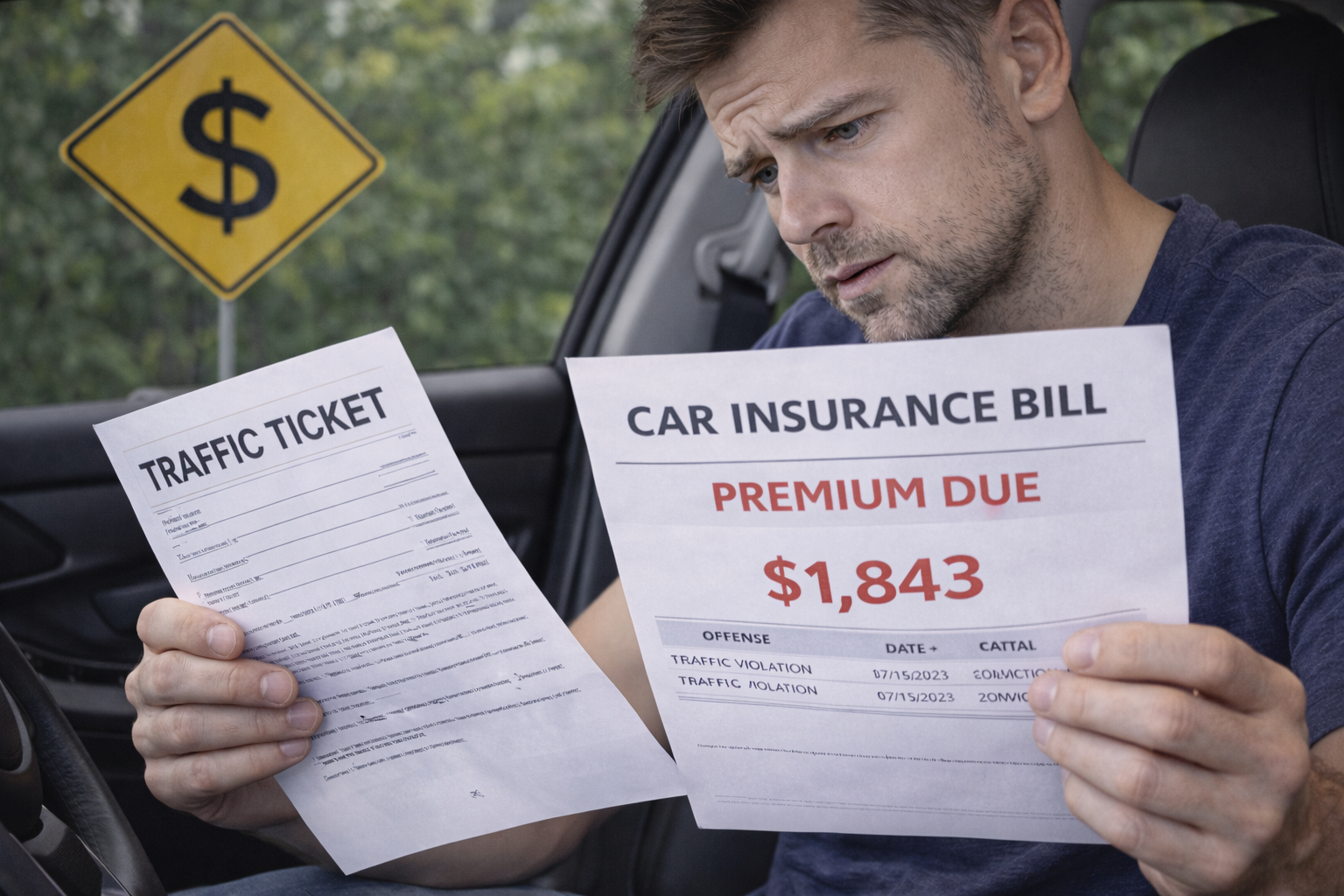
    Many drivers are surprised to learn that a single traffic ticket can affect car insurance rates. Insurance companies use driving records to evaluate risk, and violations such as speeding tickets or reckless driving may signal higher risk to insurers.

    When points are added to a driver’s record, insurance companies may increase premiums at the next renewal. The exact impact can vary depending on the severity of the violation, the driver’s history, and the policies of the insurance provider.

    Because insurance rate increases can sometimes last for several years, some drivers choose to understand their options before simply paying a ticket and accepting the violation.

    Before you pay a ticket or accept points, it may help to understand your legal options first.

    👉 Get Affordable Legal Protection → Know Your Options Before It Costs You More


    How Traffic Tickets Affect Insurance Rates

    Traffic violations may lead to:

    • Increased monthly premiums
    • Long-term rate increases
    • Loss of safe driver discounts
    • Higher risk classification by insurers

    Even one violation can impact your rates depending on your provider.


    Why Some Drivers Don’t Pay Right Away

    While paying a ticket may seem simple, it can sometimes lead to:

    • Points on your license
    • Higher insurance costs over time
    • Long-term financial impact beyond the fine

    Because of this, some drivers choose to review their options before making a final decision.

    👉 Start Your Legal Protection Plan Today → Get Help Before You Decide


    Related Topics Drivers Are Reading:

    👉 (LINK EACH ONE)

    Can traffic tickets lead to license suspension?

    Can traffic tickets increase your car insurance premium?

    Should you fight a traffic ticket or just pay it?

    Can a lawyer remove points from your license?

    What happens if you ignore a traffic ticket?

  • Can You Fight a Traffic Ticket Without Going to Court? (What Your Options Are)

    Can You Fight a Traffic Ticket Without Going to Court? (What Your Options Are)

    Many drivers assume that fighting a traffic ticket always means appearing in court, but that is not always the case. In some situations, drivers may have options that allow a lawyer or legal representative to handle certain parts of the process on their behalf depending on local laws and court procedures.

    Traffic laws vary by state, and the available options can depend on the type of violation, the driver’s record, and the policies of the local court handling the citation. Because of these differences, some drivers prefer to explore their legal options before automatically paying the fine or accepting points on their license.

    Understanding your options early may help you make a more informed decision and potentially protect your driving record.

    Before you pay a ticket or assume you have to go to court, it may help to understand your legal options first.

    👉 Get Affordable Legal Protection → Know Your Options Before You Pay a Ticket


    When You May Not Have to Go to Court

    In some situations, drivers may be able to:

    • Have a legal representative handle parts of the case
    • Resolve the ticket through administrative or local processes
    • Negotiate outcomes without a court appearance
    • Address the violation in a way that may reduce long-term impact

    Options can vary widely depending on your location and the type of violation.


    Why Drivers Explore Legal Options First

    Paying a ticket may seem like the fastest solution, but it can sometimes lead to:

    • Points added to your license
    • Higher insurance premiums
    • Long-term increases in driving-related costs

    Because of this, some drivers choose to understand their options before making a final decision.

    👉 Start Your Legal Protection Plan Today → Get Help Before You Decide


    Related Topics Drivers Are Reading:

    Do traffic tickets affect your insurance rates?

    Should you fight a traffic ticket or just pay it?

    Can a lawyer get a traffic ticket dismissed?

    Can a lawyer remove points from your license?

    What happens if you miss a traffic court date?

Translate »